⛯ Creative Direction | Design | Concept
⌝ 360 Campaign for Hublot’s first-ever in-house movement ⌞
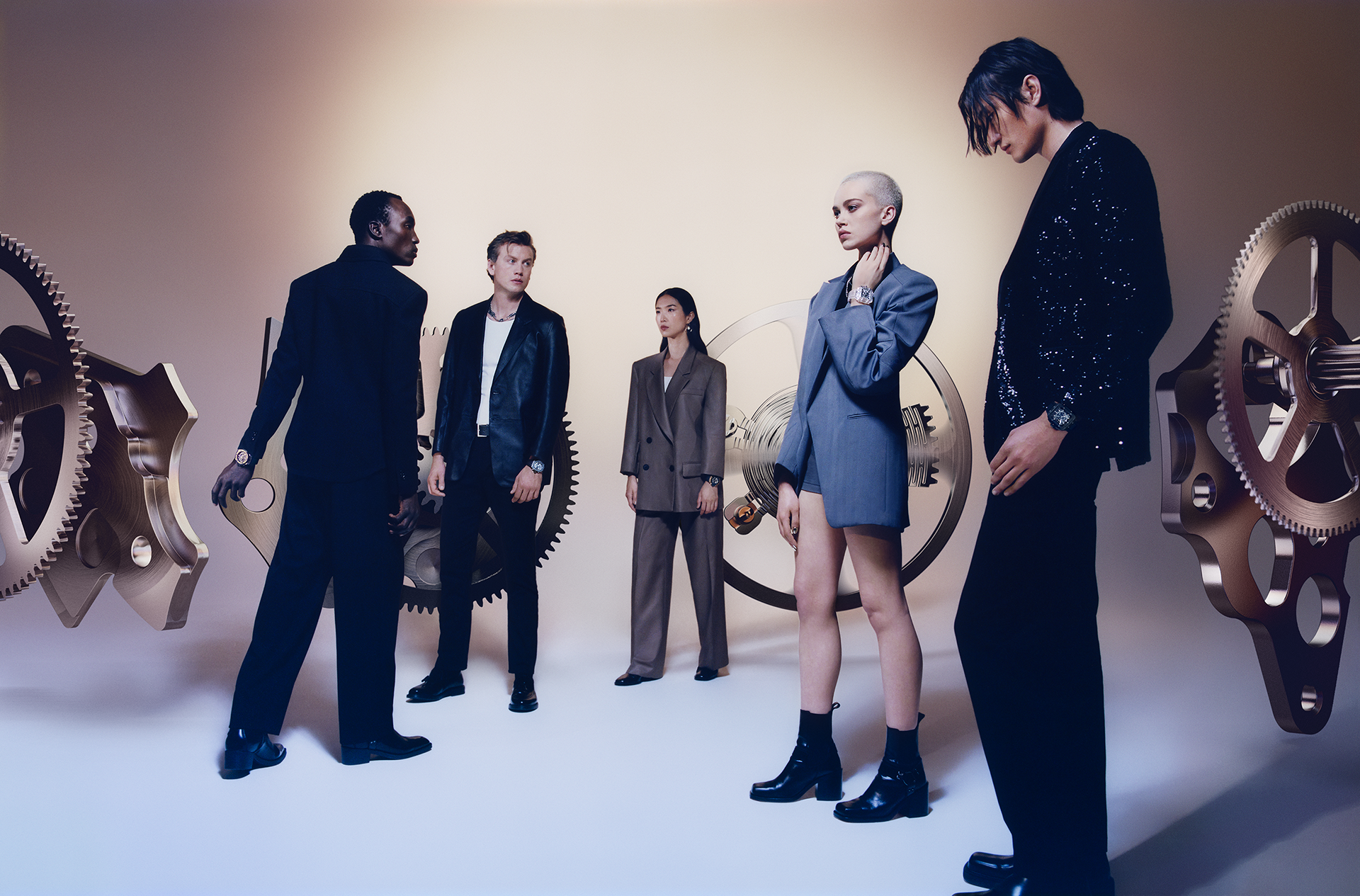
⌝ A one-of-a-kind take on visualising the world of watchmaking. ⌞
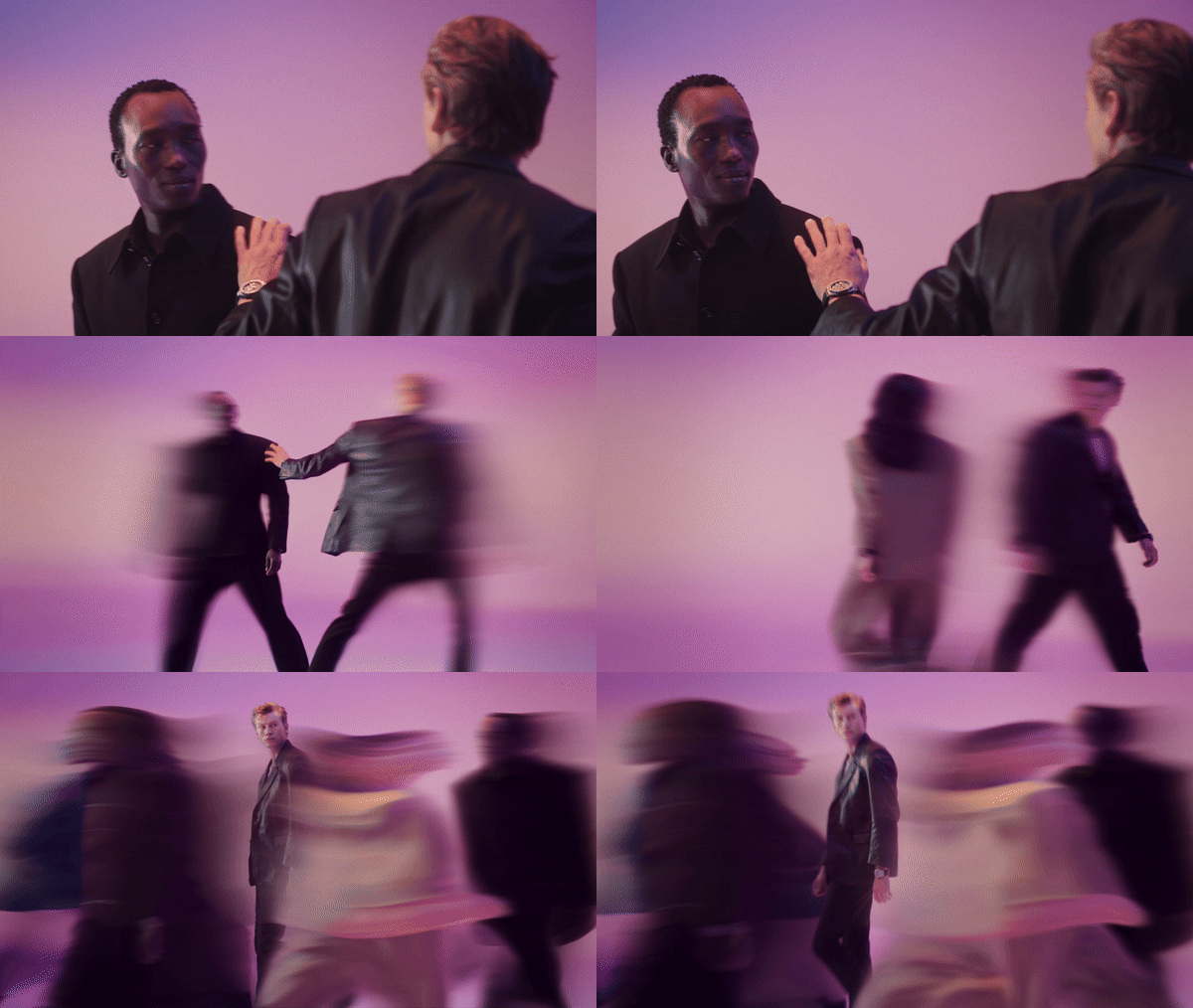
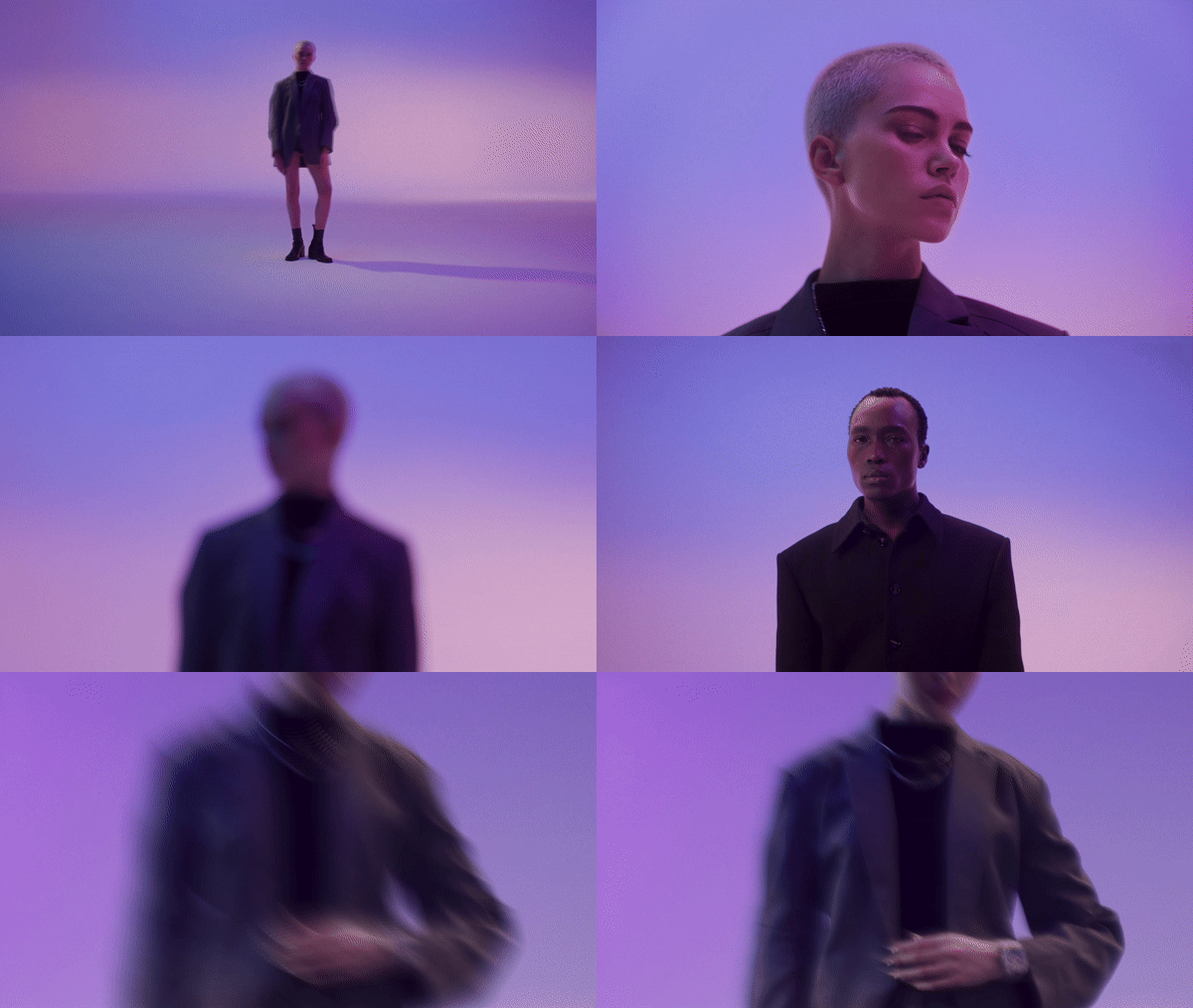
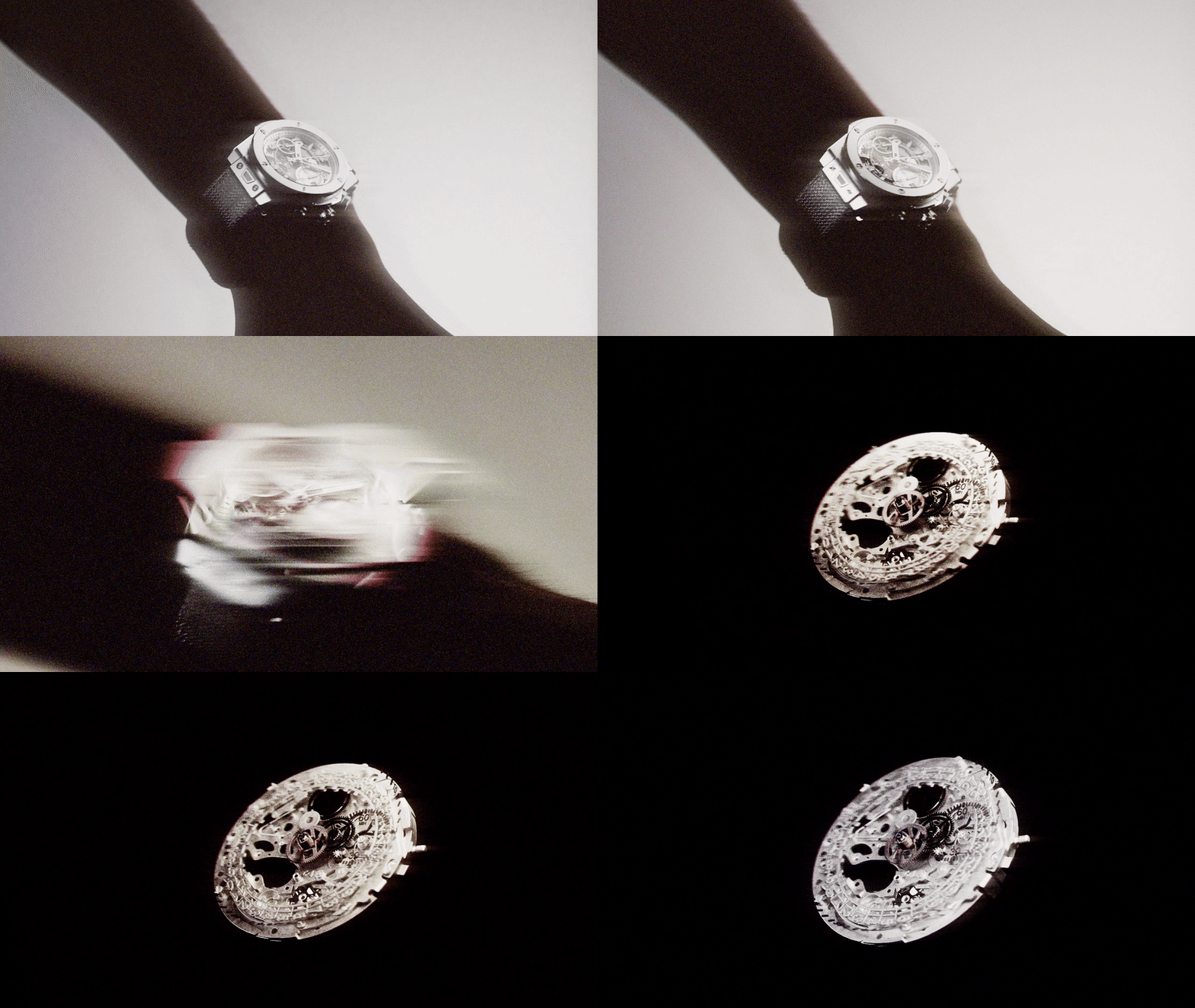
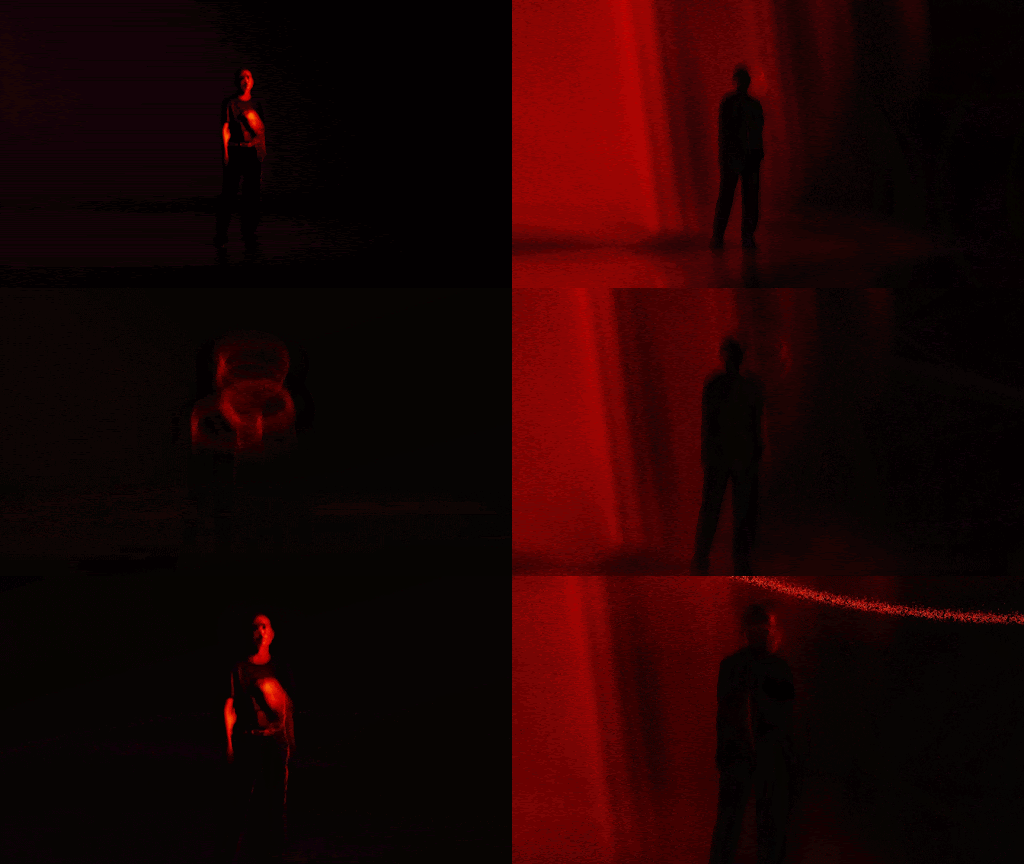
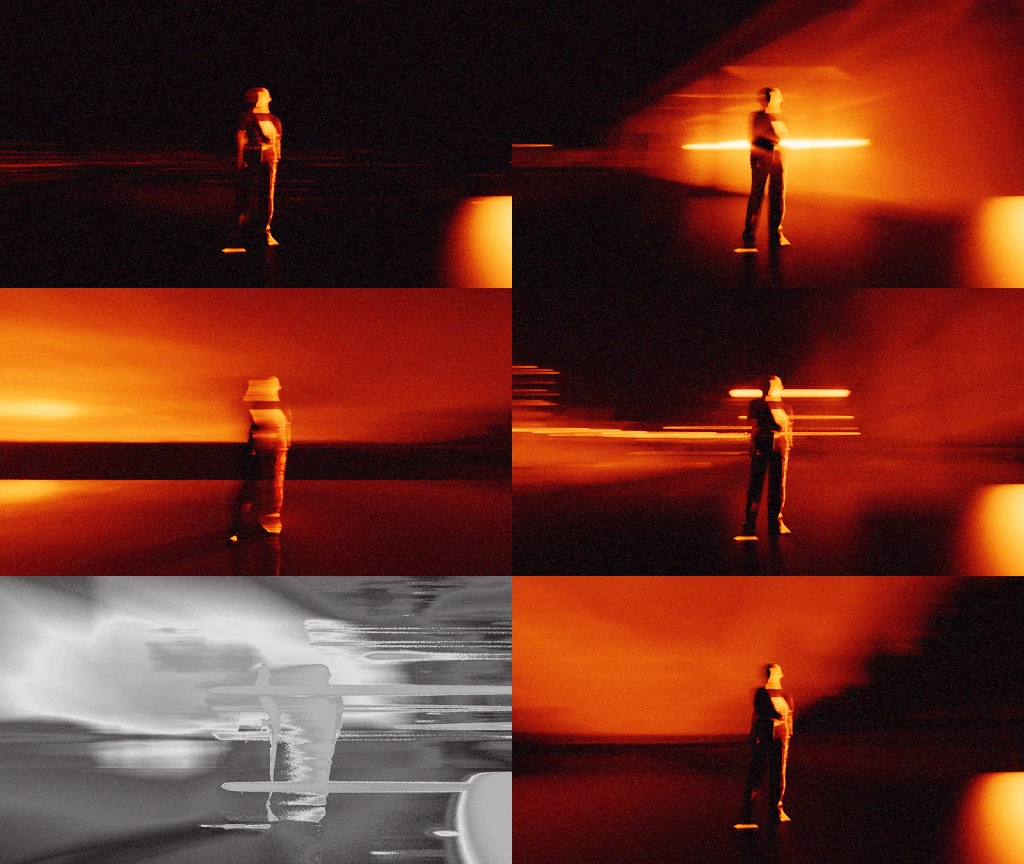
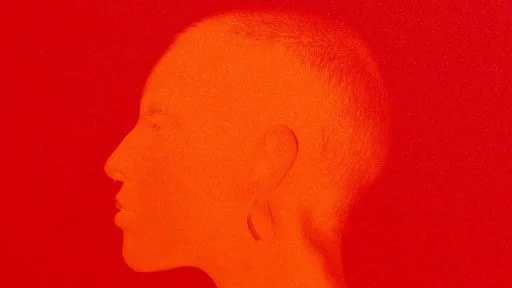
FutureDeluxe crafted the film and broader conceptual framework exploring how models embody movement by merging CG and reality. The film visuals are accompanied by the sound from one of Colombia’s rising electronic producers Verraco (TraTraTrax). An analogue stills series was also shot by film photographer, Steph Wilson, bringing together traditional craft and contemporary 3D design.
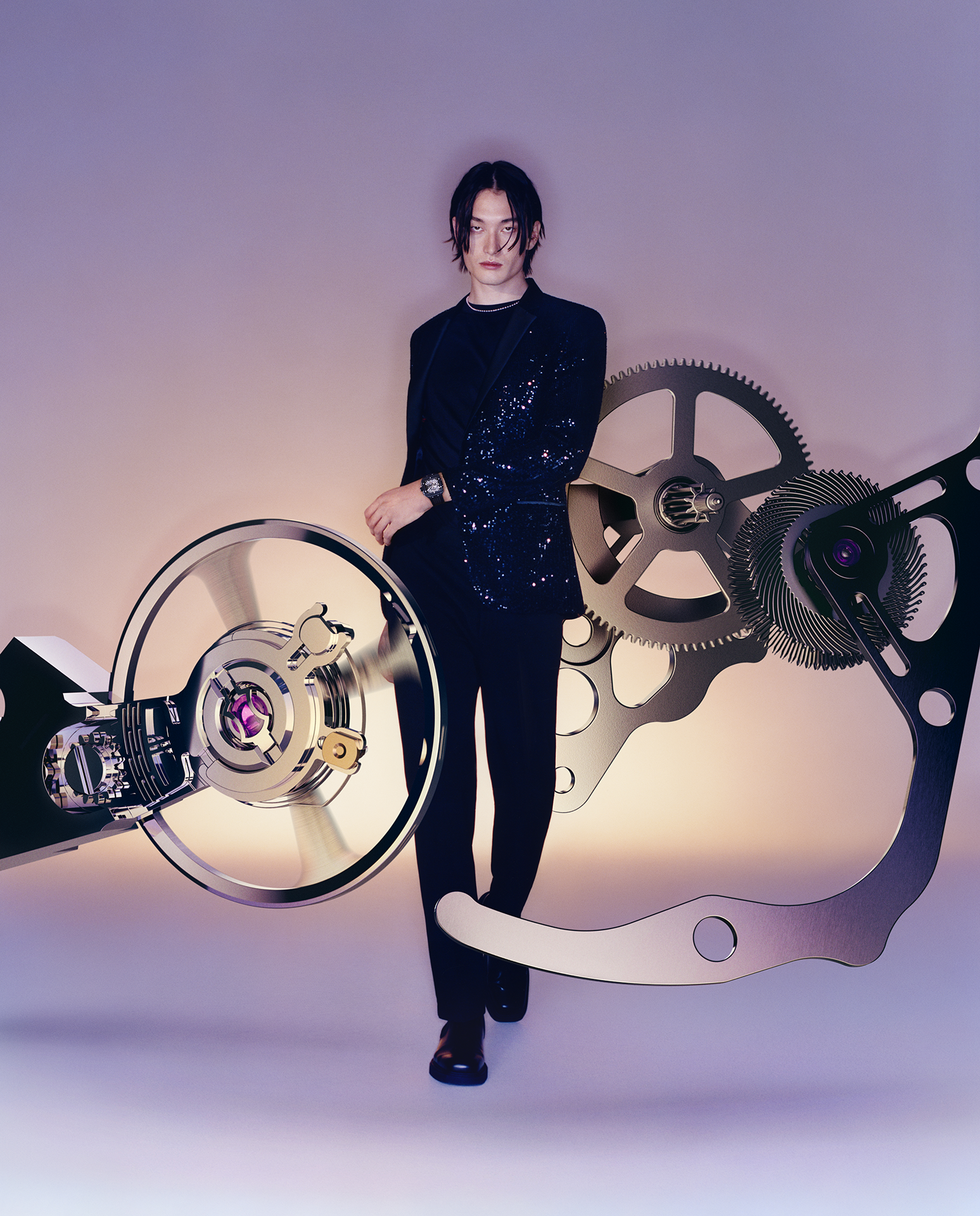
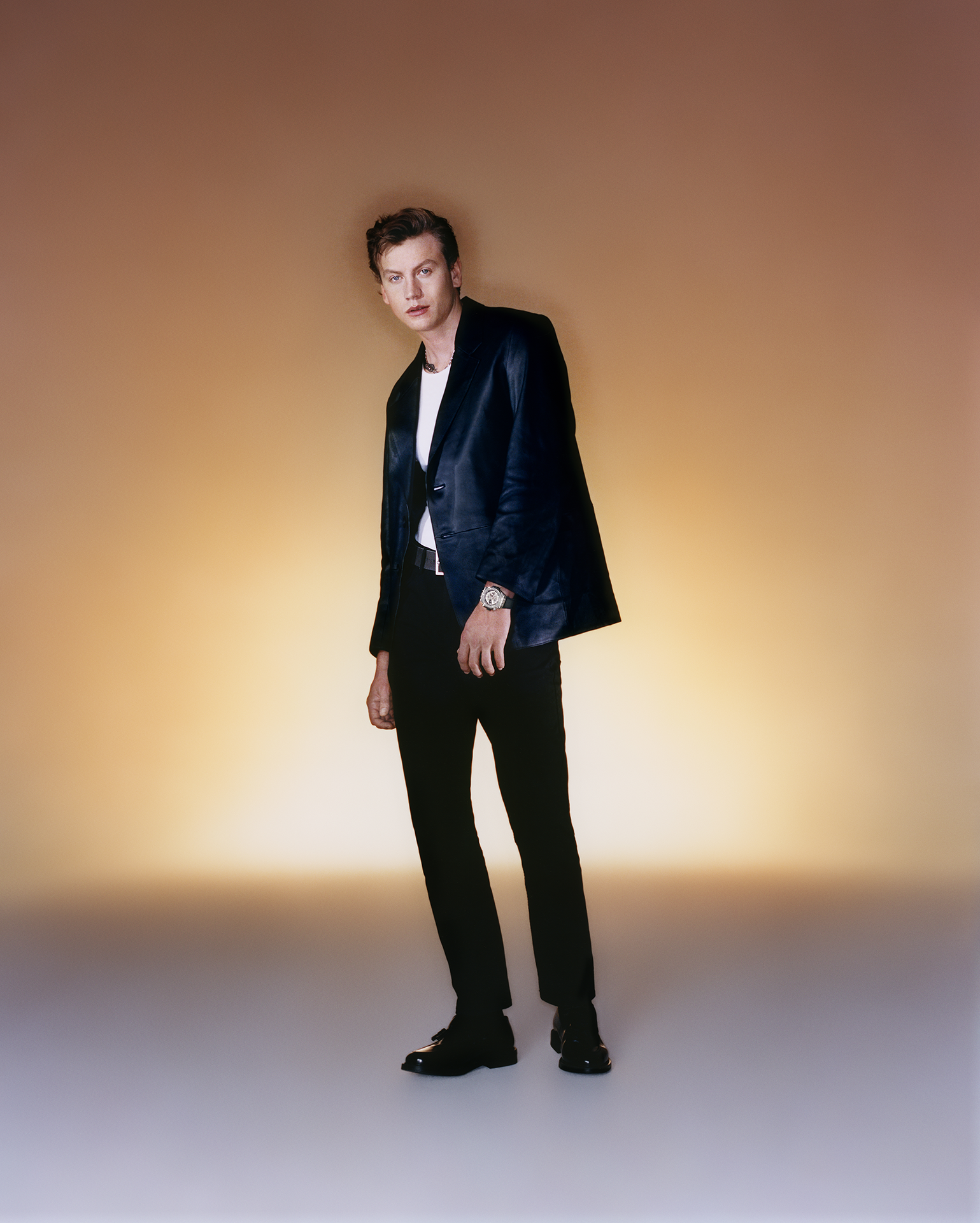
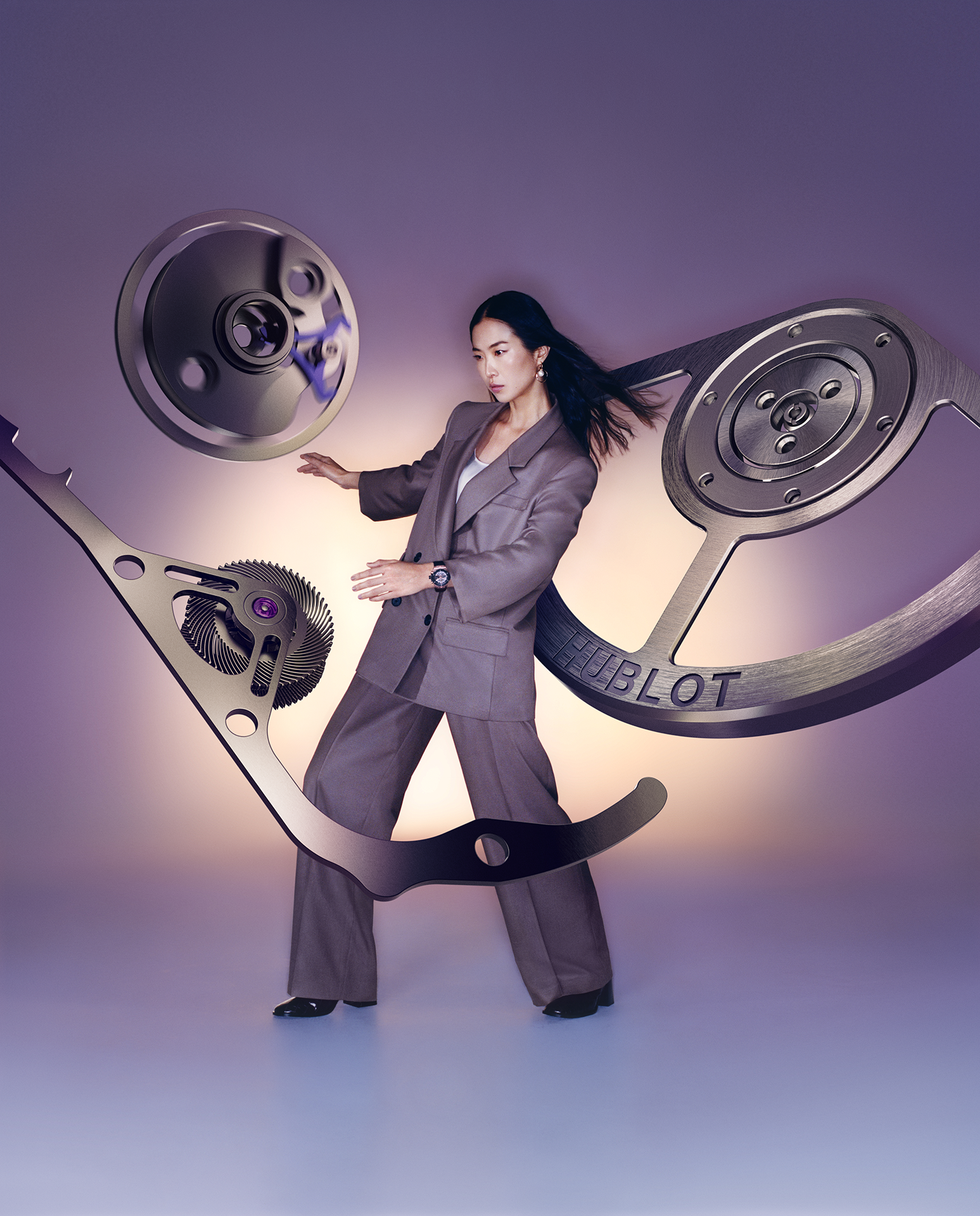
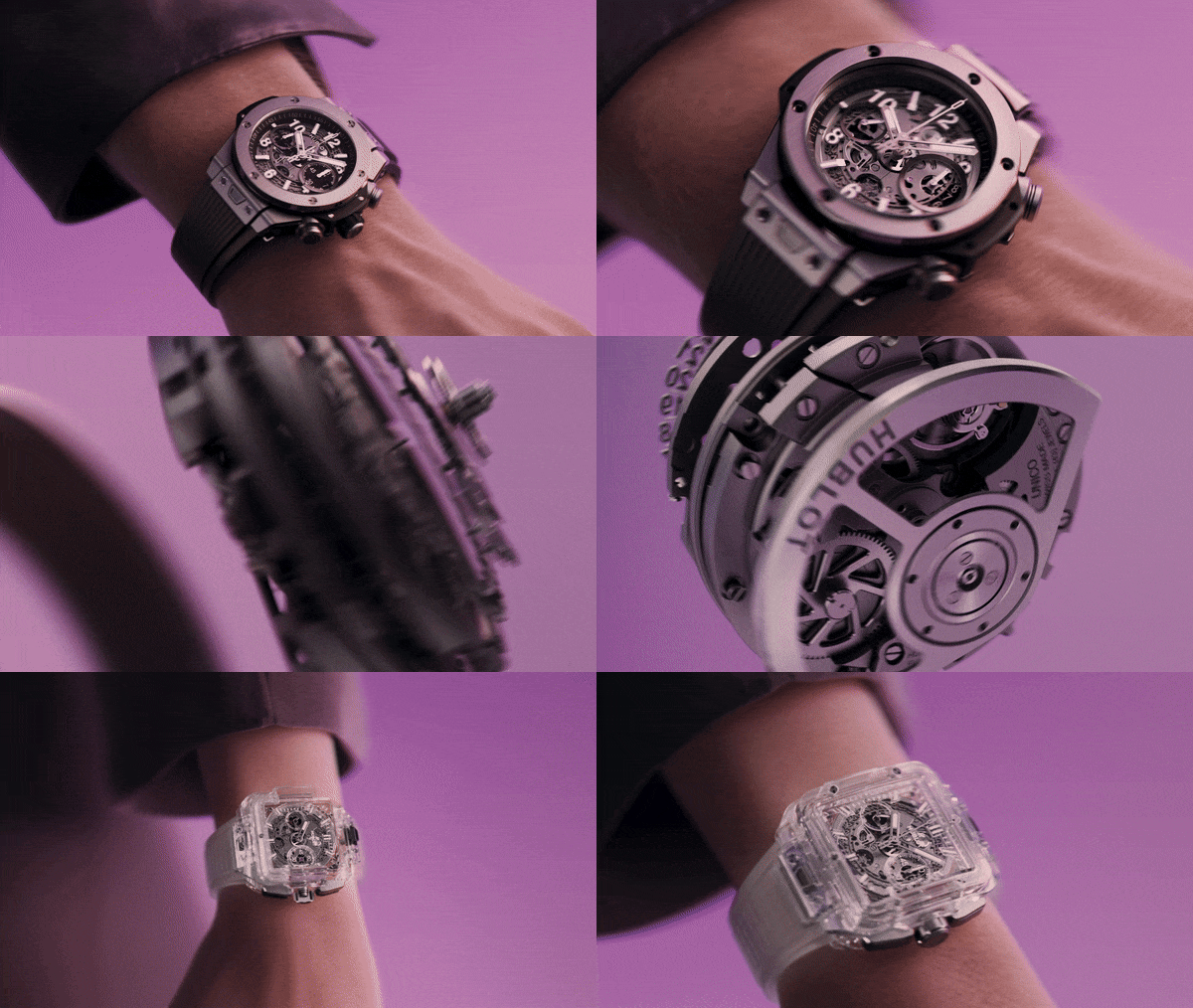
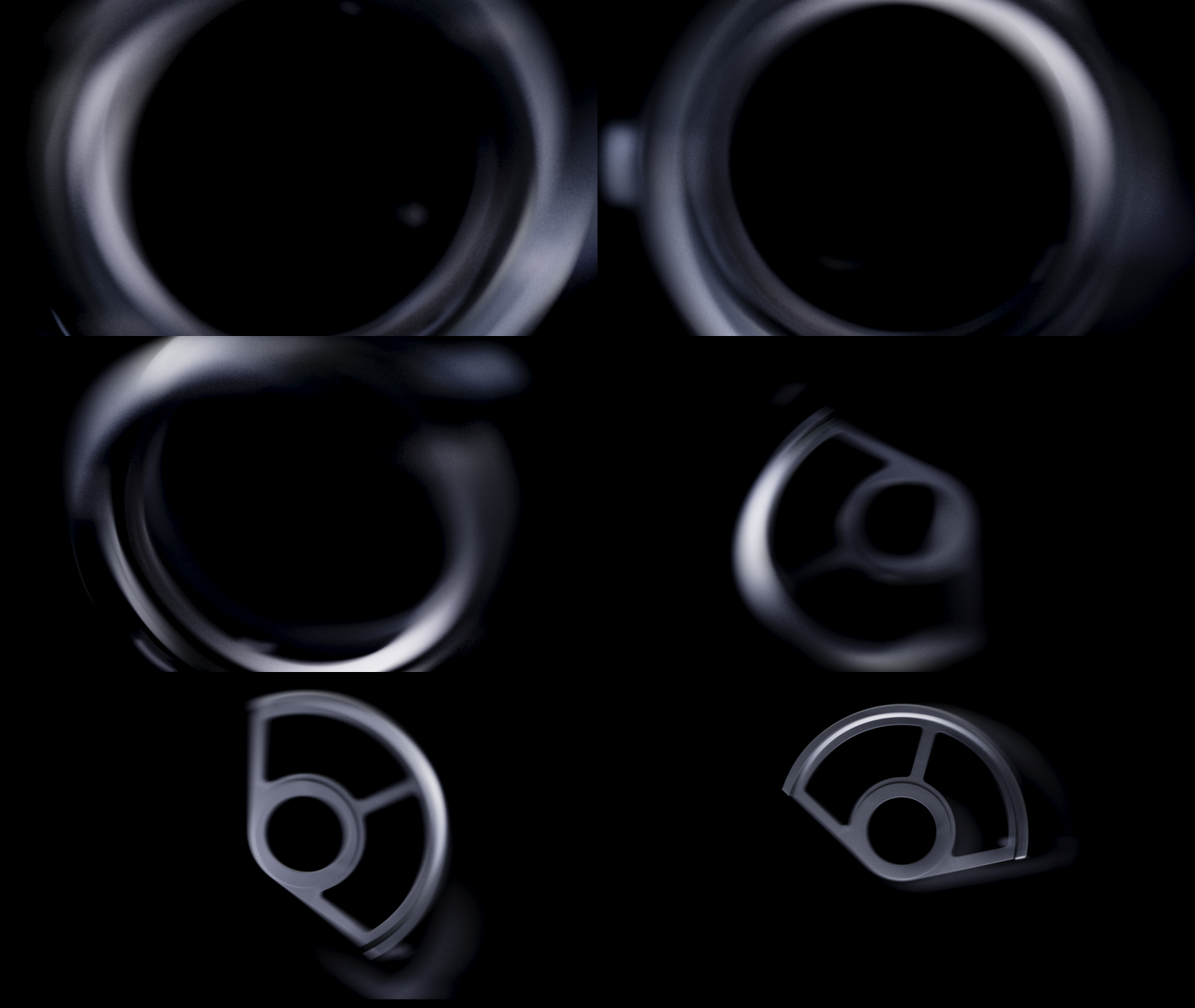
To create a distinct visual language for the film and brand, a unique approach was adopted in Hublot’s first live-action film, focusing on the Unico movement rather than a particular watch.
FutureDeluxe developed the visual concept and art direction around the idea of controlling time through movement, representing this through a range of live-action and cinematic techniques, by stretching and compressing time itself. These were informed by and integrated alongside CG and typographic explorations, plus through a range of real-time concepts.

In any pottery studio, there are hand tools: needles for trimming the edges of pieces and for scoring slabs and coils, wires for slicing, ribs and scrapers for smoothing and finishing pots on the wheel
In the algorithmic studio, our tools were generative sets of rules used to refine the “raw digital material” that served as our analogue for stone or clay. In this way, we could manipulate our raw digital material in ways that would have been physically impossible with traditional hand tools. Rather than using a wire to slice away clay, for example, we introduced pure mathematical noise to whittle away at our digital form.


Before we can sculpt new forms, we must first design our tools and define how each tool functions. Here, we use noise as a hand tool, adding and subtracting from the raw digital material to create a wide range of formal variations.



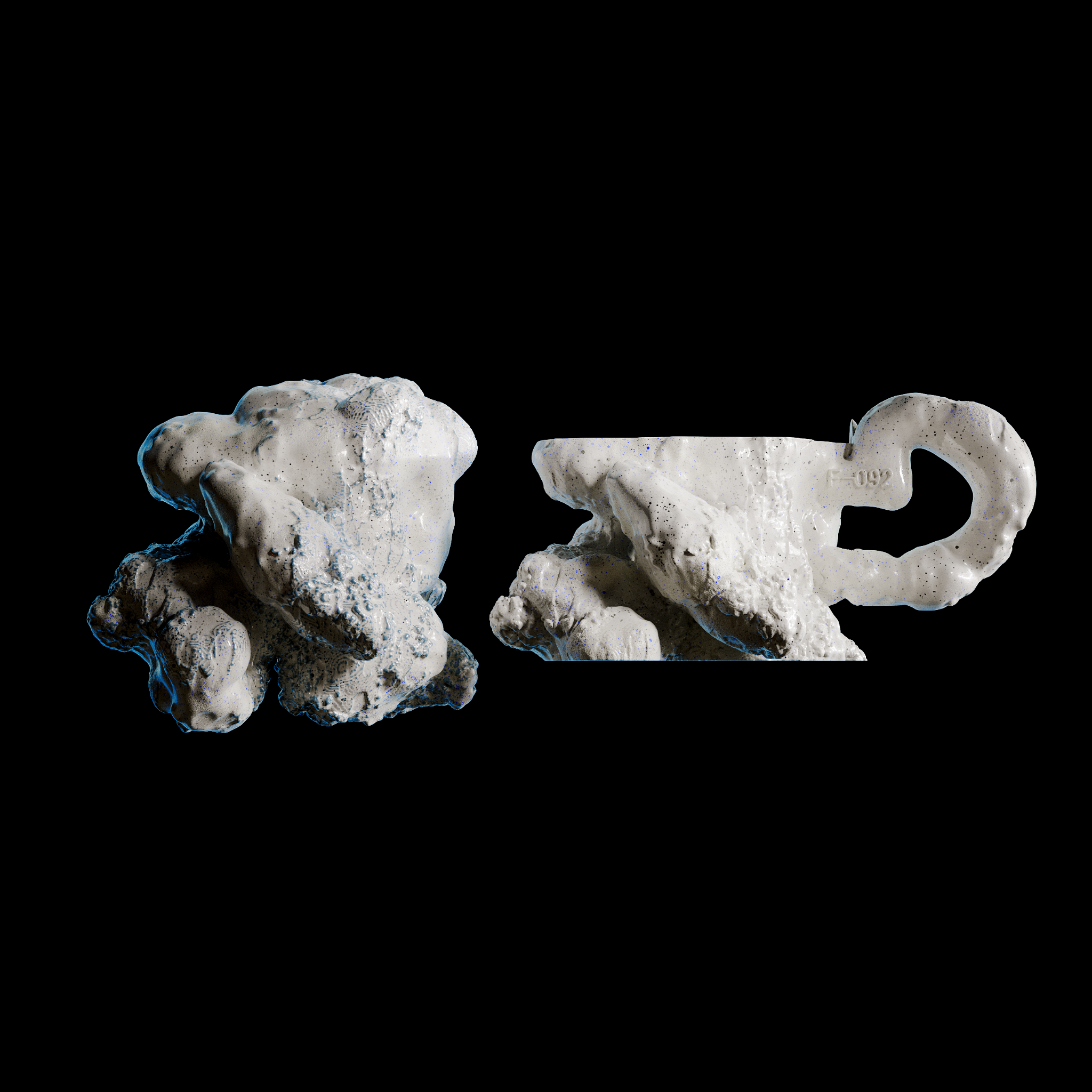


The Hungarian artist Vera Molnár speaks fondly of the “billions of possibilities” she encounters while making computer-aided paintings; the computer’s capacity to iterate allows her to move beyond intuition and explore a realm of pure, mathematical randomness. Our generative tools, too, yielded a huge number of formal outputs—at a scale that forcibly shifted our role in the design process. We were no longer ideating alone; rather, we embraced and sifted through the randomness, seeking meaningful forms, tweaking parameters, and refining through computer-aided iteration. Rather than designers, we became curators, browsing countless potential outcomes until we reached a sweet spot.


How to define that sweet spot? That’s where human intuition is useful. The computer merely presents possibilities; it’s up to us to make a decision that strikes the right balance between analysis and instinct, between randomness and harmony, and between fantasy and structural integrity.
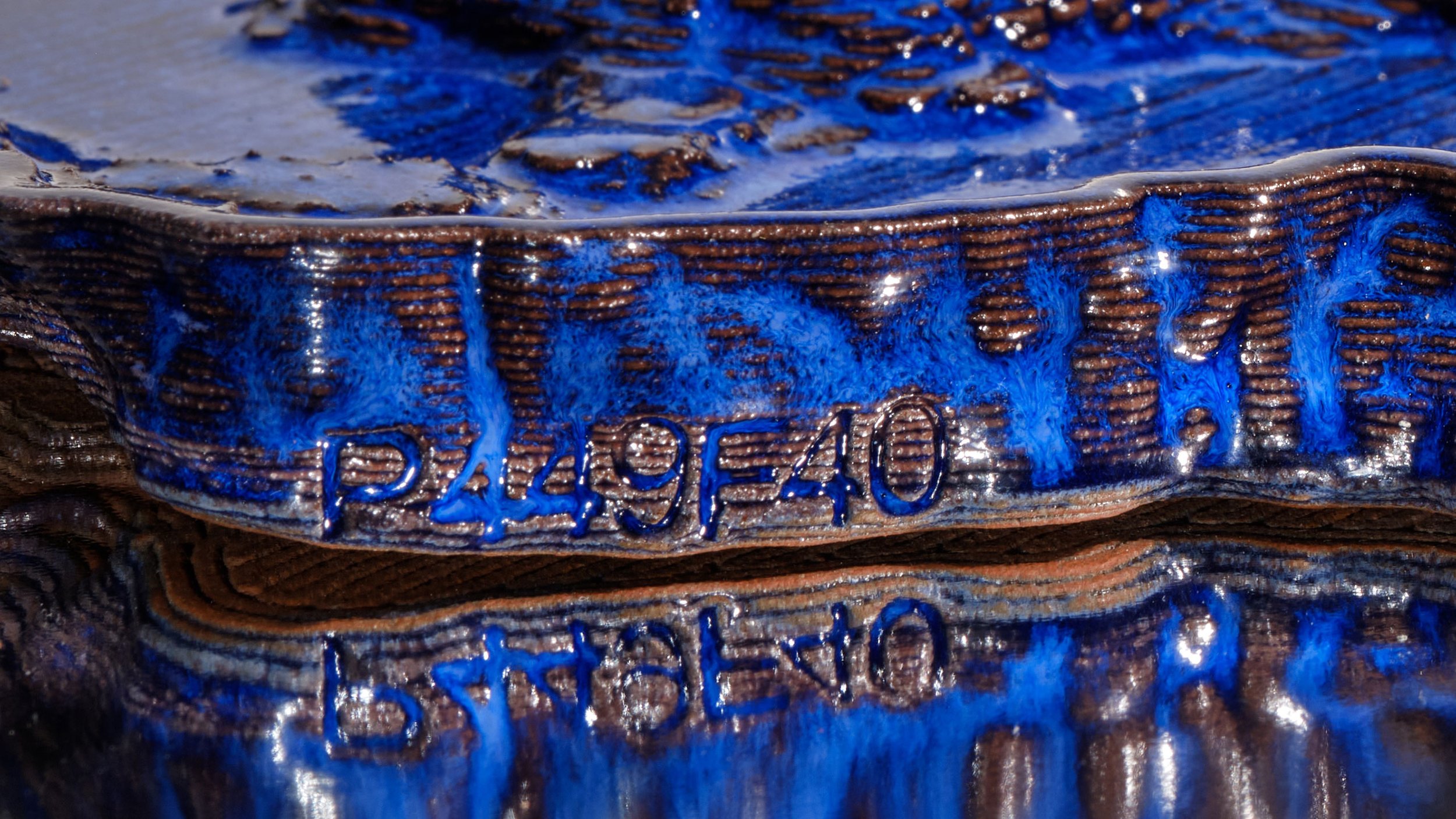
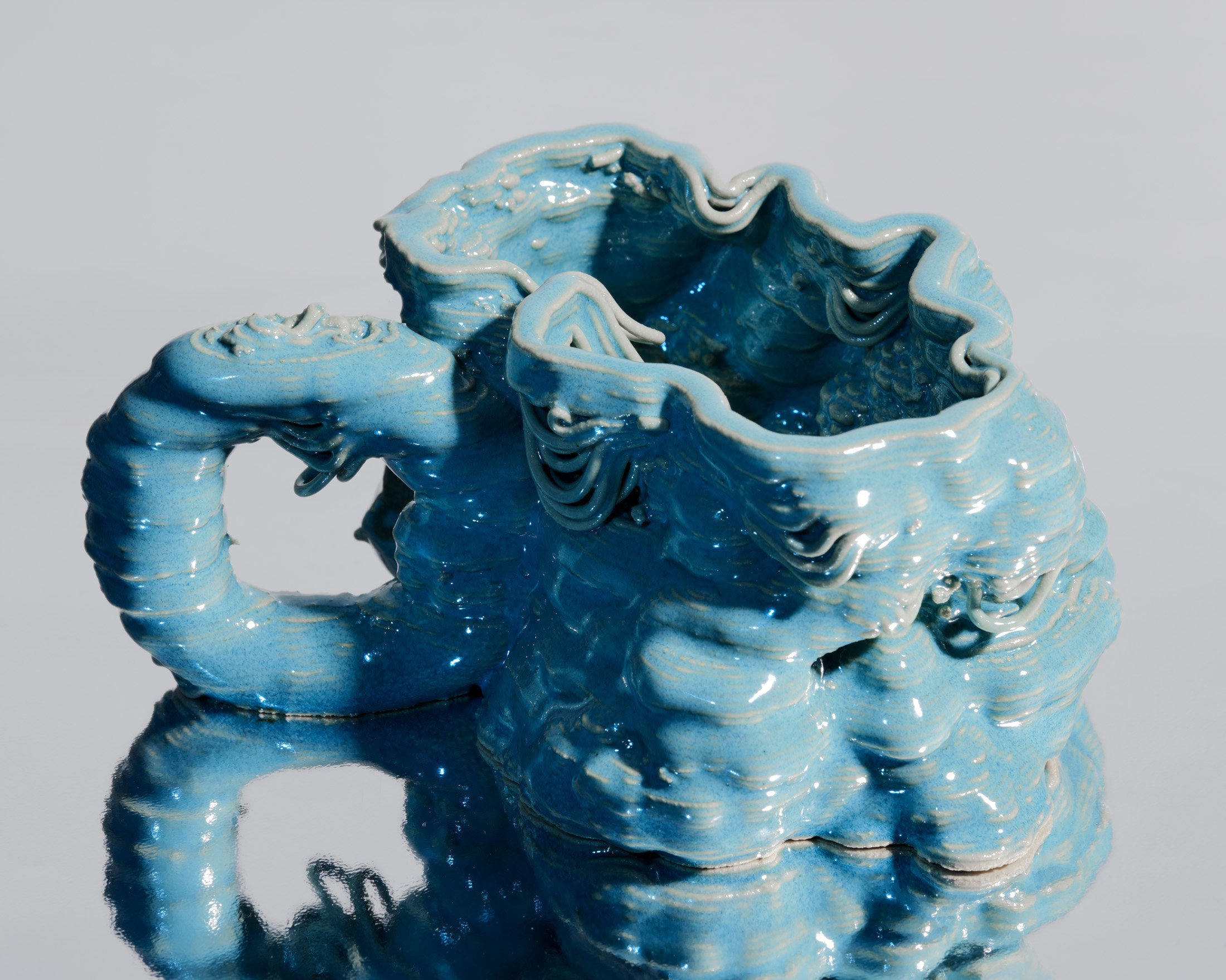
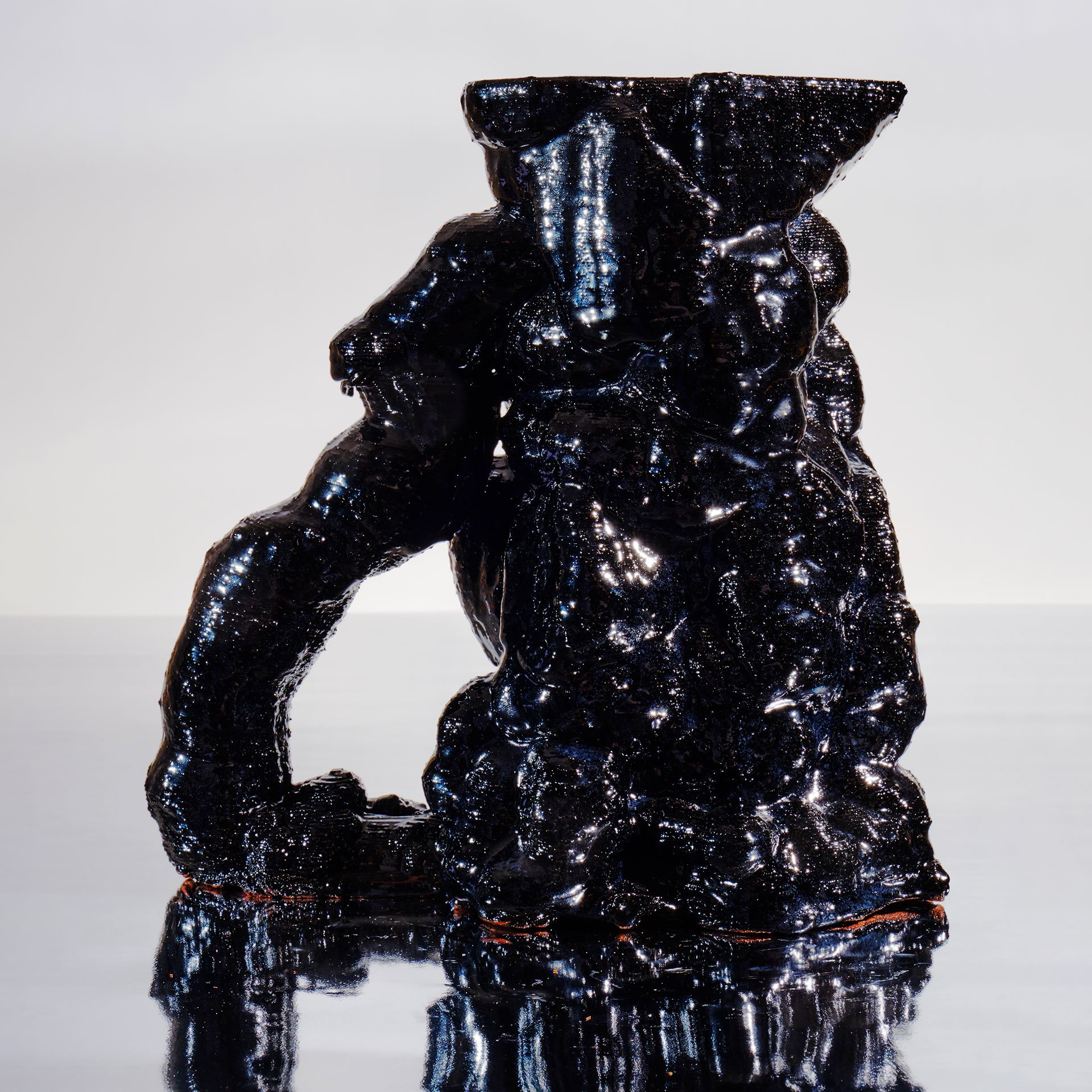
Although this is ultimately a subjective call, it’s profoundly informed by our encounter with what Molnar would call the “billions of possibilities” iterated by the system. Only then were our designs committed to clay—not by hand, but with the help of a Wasp 3D printer, in a process marrying human intuition, machine capacity, and the chemistry of traditional pottery glazing.
In this final phase, however, our computer-aided forms faced more material realities. Due to external factors like humidity and temperature, limitations in the 3D printer’s capacity and precision, and the constraints of physical space and clay itself, our final results were not always as expected. Such deviations presented another, more analog, form of iteration, one which we could only partially predict but which we wholeheartedly embraced as yet another productive artifact of this novel process. Ultimately, in our algorithmic pottery studio, we discovered an emergent aesthetic perspective, equal parts systematic and intuitive, informed by algorithmic parameters, human taste, machine capacity, and the serendipities of material production.



Designed, Directed and Produced by FutureDeluxe
Client: Hublot
Executive Creative Director: Curtis Baigent
Executive Producer: Svet Lapcheva
Creative Director: Kristian Glenn
Associate Creative Director: Ben Black
Head of Production: Caleigh Illerbrun
CG Producers: Alexia Guenon des Mesnards, Natalie Greenwood, Tiffany Brathwaite
Art Director: Yas Vicente
Design & Animation: Liam Henderson, Sasha Gudkova, Luca Struchen, Stevie Rees, Peter Kent, Dagmar Irrig, Luke Parker, Adam Samson, Hayden Martin
Modelling: Flavio Diniz, Marcelo Souza, Nemanja Ivanovic, Ben Pilgrim
VFX: Slavko Gavric
VFX Supervisor: Peter Eszenyi
Storyboard/Concept Art: Sylvie Minois
3D Talent scan: Clear Angle
Live Action Director: Eddie Whelan & Kristian Glenn
Photographer: Steph Wilson
Live Action Producer: Erinn Fitzgerald
Production Manager: Ross Campbell
1st AD: Elle Lotherington
DOP: Rob Jarvis
Stylist: Pegah Maleknejad
Makeup Artist: Rebecca Wordingham
Hair Stylist: Sophie Jane Anderson
Manicurist: Cherrie Snow
Post Production Motion: POD LDN
Post Production Stills: Studio Private
Editor: Noa Livnat @ Punderson Gardens
Grade: George Neave @ Coffee & TV
Original soundtrack: Verraco
Music supervisor: Joe Howard
Sound mix: Echoic
1ST AC: Klim Jurevicius
2ND AC: Evangeline Perkins
DIT: Luke Kneafsey
Playback: Chaz Northam
Key Grip: Nick Teulon
Grip Assistant: Trevino Williams
Gaffer: Krunal Saadrani
Desk OP: Eddie Cook
Choreographer: Liv Lockwood
Choreographer Assistant: Folu Odimayo
Stylist Assistant: Keeley Dawson
Stylist Assistant: Jolene Chen
Stylist Assistant: Holly Ugolini
Makeup Assistant: Tamsin Ballingall
Makeup Assistant: Hanna Friedrich
Hair Assistant: Clare Hurford
BTS: Timi Akindele-Ajani